
Tracing the evolution of gambling through history significant milestones and changes
Ancient Beginnings of Gambling
The origins of gambling can be traced back thousands of years, with evidence found in ancient civilizations such as Mesopotamia, China, and Rome. The earliest known gaming artifacts date back to around 3000 BC, where dice made from bones were used in games of chance. These early forms of gambling were often intertwined with religious and cultural practices, as many societies believed that fate and fortune were influenced by the divine. This rich history sets the stage for engaging activities such as the flying game, which reflect the evolution of gambling practices over time.

In ancient China, gambling took a more structured form with the development of games like Keno and the early lottery systems. These games were not only a source of entertainment but also served as means to fund large projects, such as the Great Wall. As gambling spread across cultures, it evolved to include various betting methods and games, reflecting the values and norms of each society.
The Middle Ages and Legalization
The Middle Ages marked a significant turning point for gambling, particularly in Europe. During this period, card games became popular, and the use of playing cards is believed to have originated in China before spreading to Europe. The rise of public gaming houses in the 15th century signified the increasing acceptance of gambling, although it remained controversial and often met with resistance from the church. As financial management in gambling evolved, regulations began to emerge, with some cities officially sanctioning gambling while others imposed heavy penalties.
The dual nature of gambling as both a source of vice and a popular pastime set the stage for further developments in the industry, leading to a more structured approach as the Renaissance unfolded.
The Age of Enlightenment and Modern Gambling
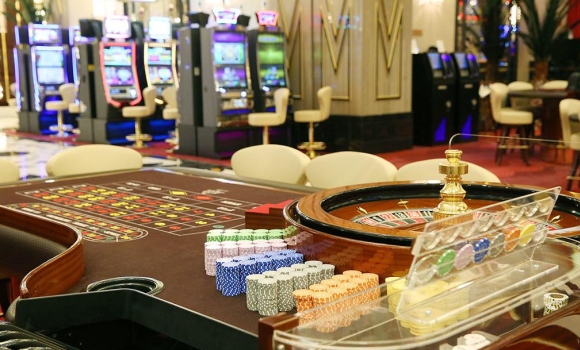
The Enlightenment era brought about significant changes in societal attitudes toward gambling. The emergence of casinos, particularly in Italy and France, marked the transition from informal gaming to organized gambling establishments. These venues provided a luxurious atmosphere for gambling, complete with entertainment and fine dining, attracting a new class of gamblers.
During this time, the invention of modern games like roulette and blackjack revolutionized the gambling landscape. The establishment of lotteries for public funding also gained traction, creating a more formalized and accepted framework for gambling activities. This period set the foundation for the gambling industry as we know it today.
The Digital Revolution in Gambling
The late 20th century introduced the digital revolution, dramatically changing the landscape of gambling. The advent of the internet opened up new avenues for players, leading to the creation of online casinos and sports betting platforms. This shift allowed for greater accessibility, enabling players to gamble from the comfort of their homes, which significantly broadened the customer base.
With the rise of mobile technology, gambling has become even more convenient. Players can now participate in games, place bets, and engage in live dealer experiences through their smartphones. The emphasis on user experience and innovative gaming technology has continued to evolve, drawing in both casual players and seasoned gamblers alike.
Modern Gambling Platforms
Today, platforms like the Aviator Game exemplify the innovative spirit of the modern gambling industry. Offering a unique gameplay experience that combines traditional elements with cutting-edge technology, such platforms have revolutionized how players engage with games of chance. Players can multiply their bets exponentially, adding a thrilling edge to online gambling.
Moreover, the focus on transparency and fairness, with features like provably fair gaming, has enhanced trust among players. As the online gambling market continues to expand, platforms strive to offer user-friendly interfaces and attractive bonuses, further enhancing the overall experience for players worldwide.